Scientific and Theoretical Conference on the History and Culture of the Kushan Empire Held at the National Museum of Tajikistan
Scientific and Theoretical Conference on the History and Culture of the Kushan Empire Held at the National Museum of Tajikistan
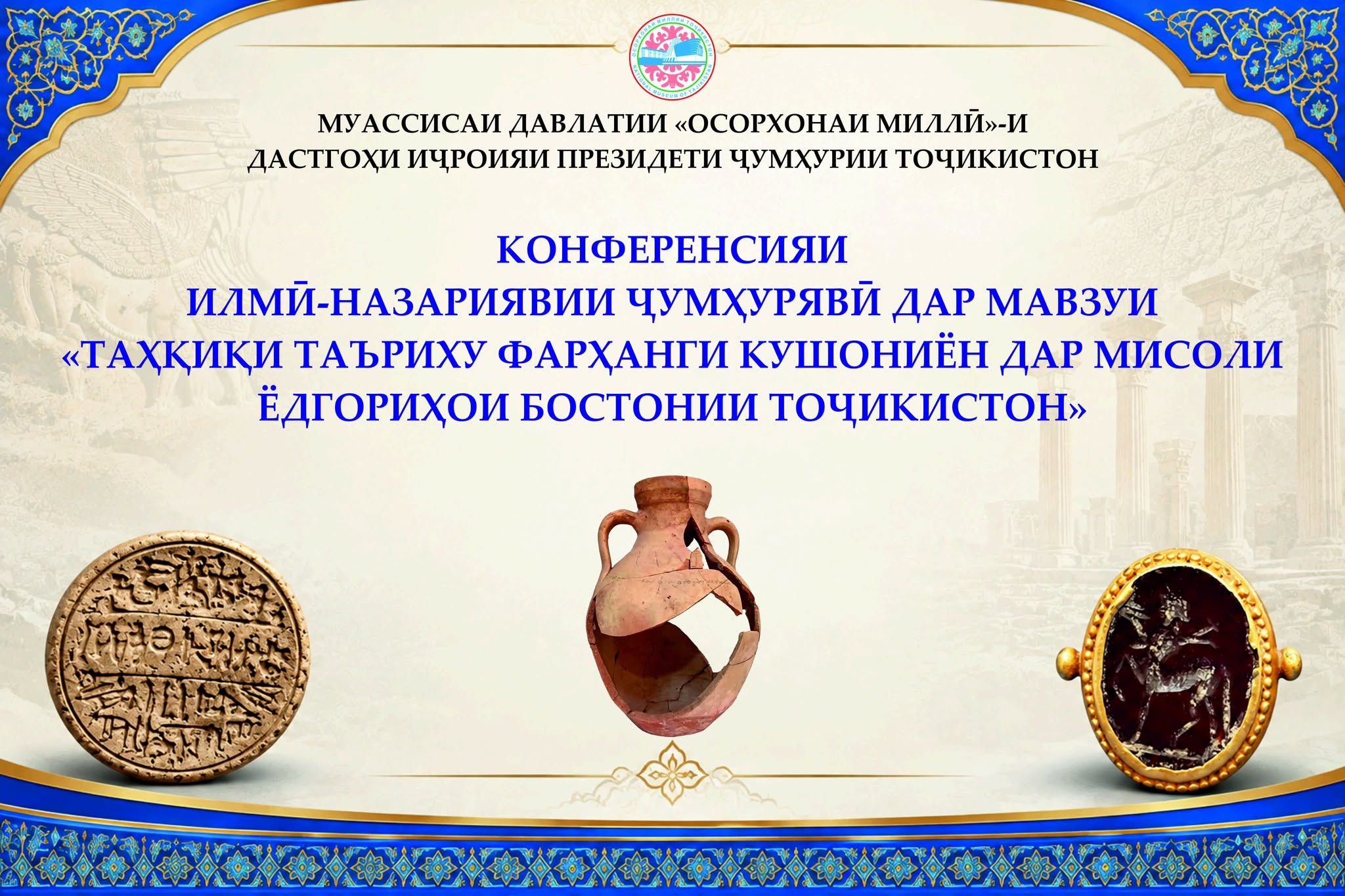
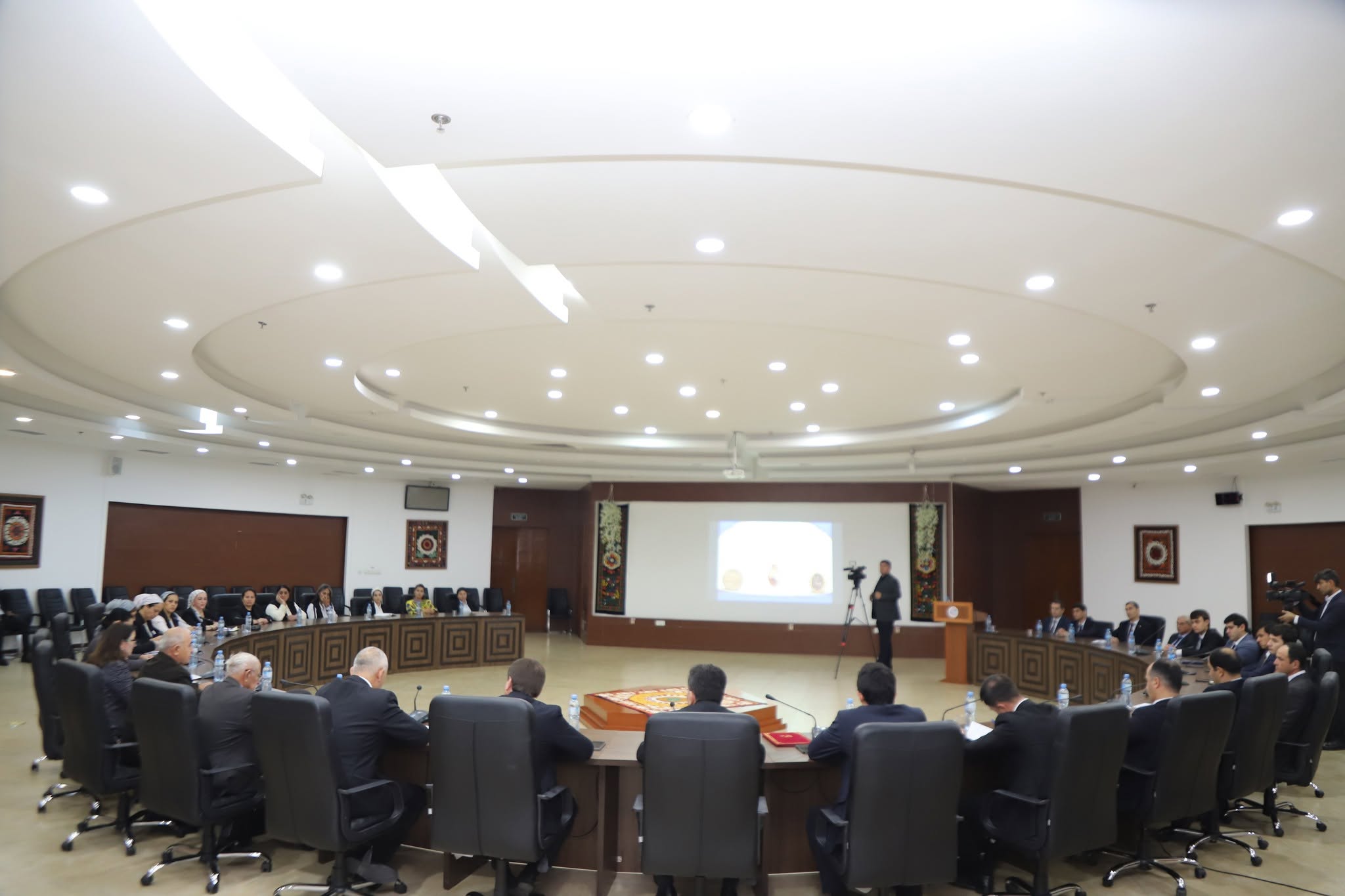
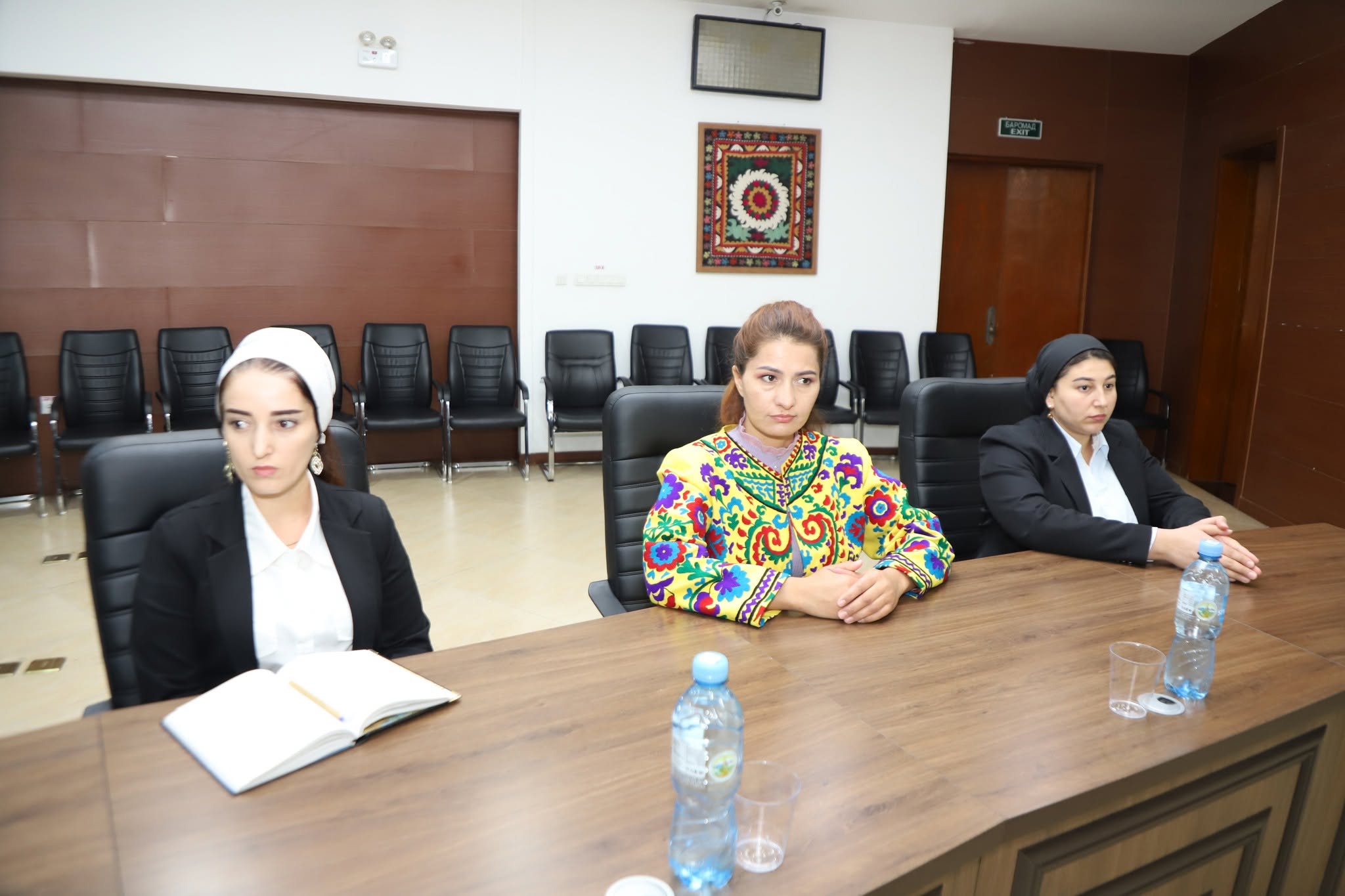
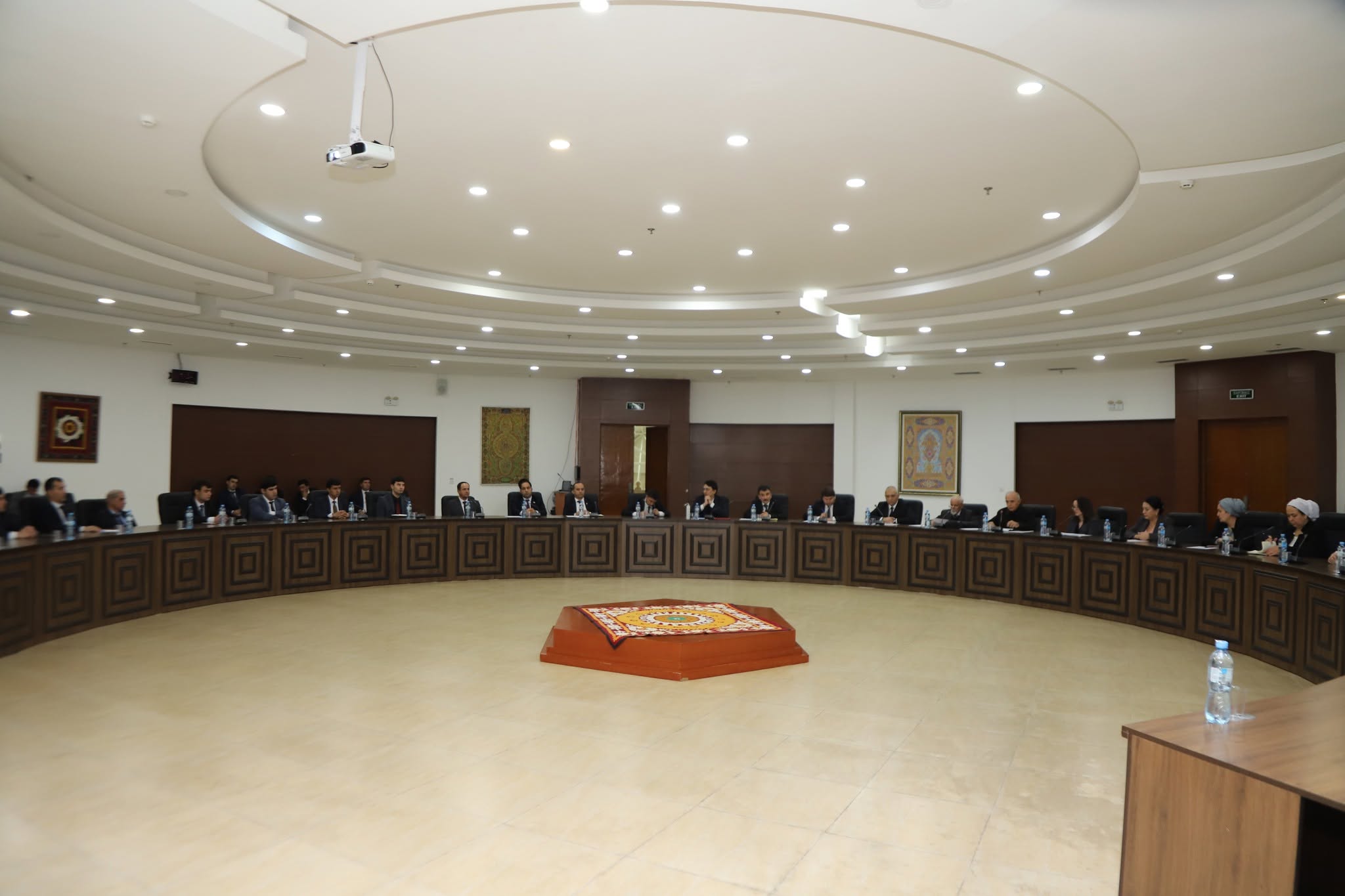
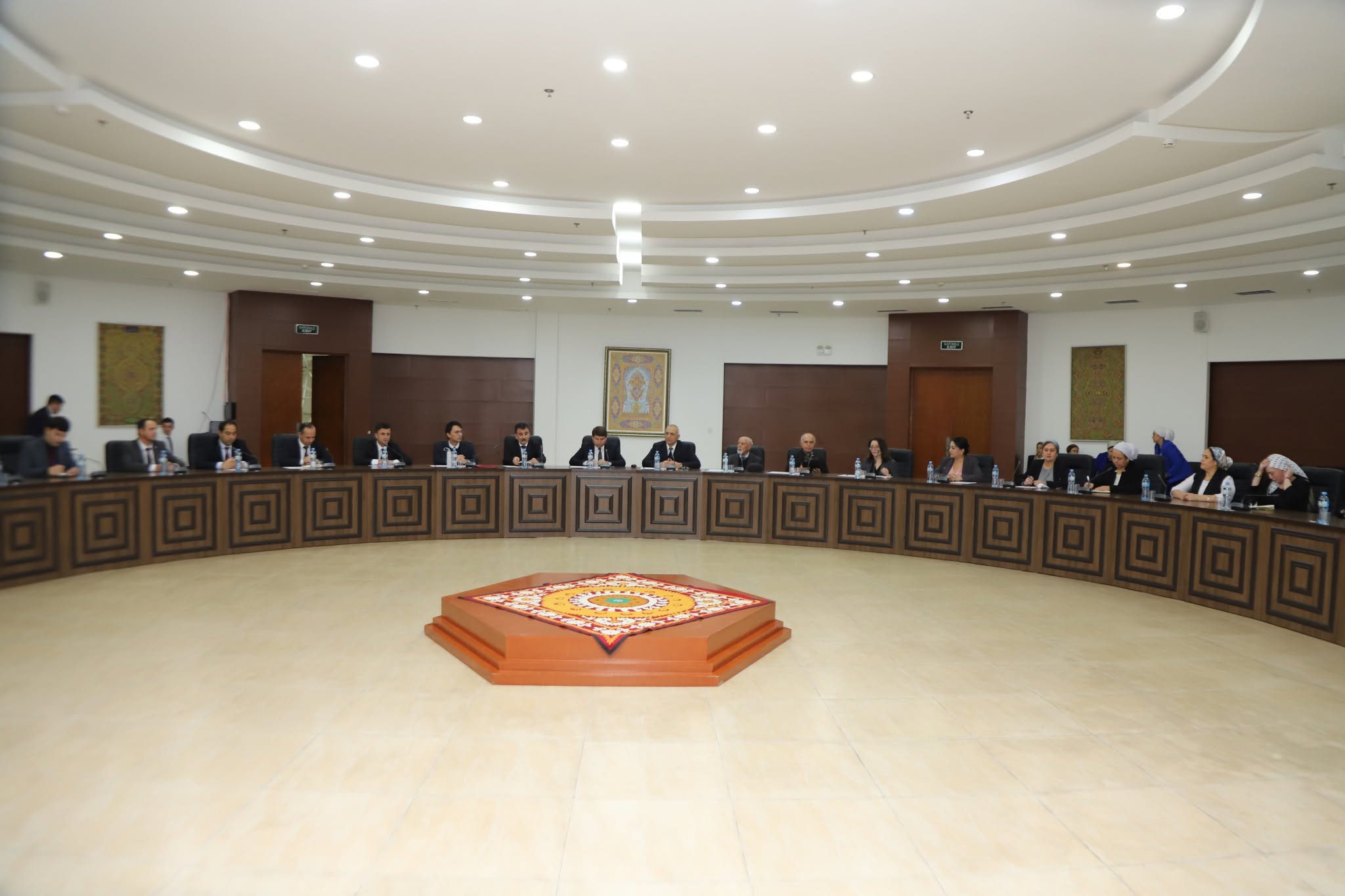
On October 28, 2026, a Republican Scientific and Theoretical Conference entitled “Studies on the History and Culture of the Kushan Empire Based on the Archaeological Monuments of Tajikistan” was held at the State Institution “National Museum” of the Executive Office of the President of the Republic of Tajikistan.
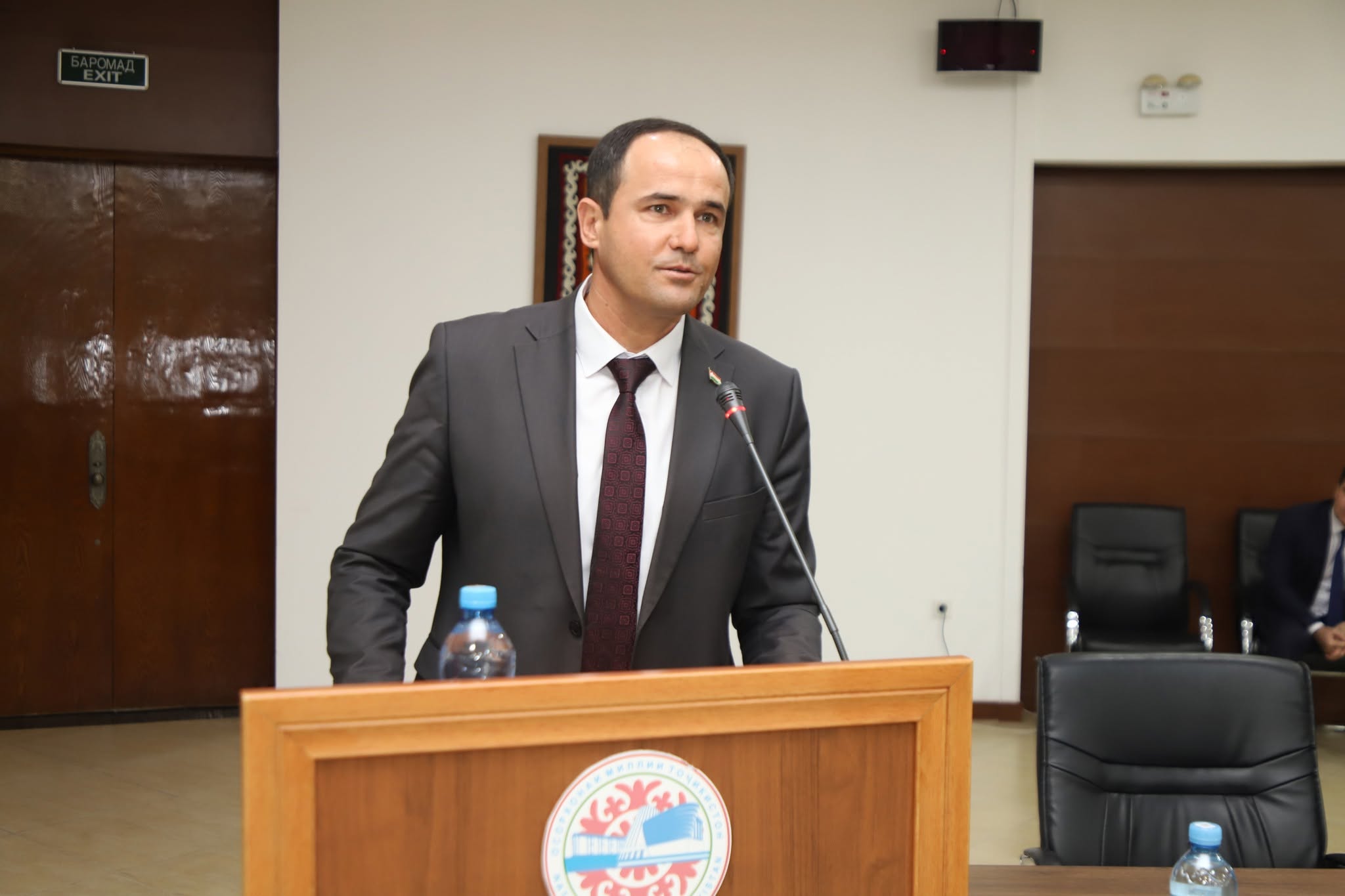
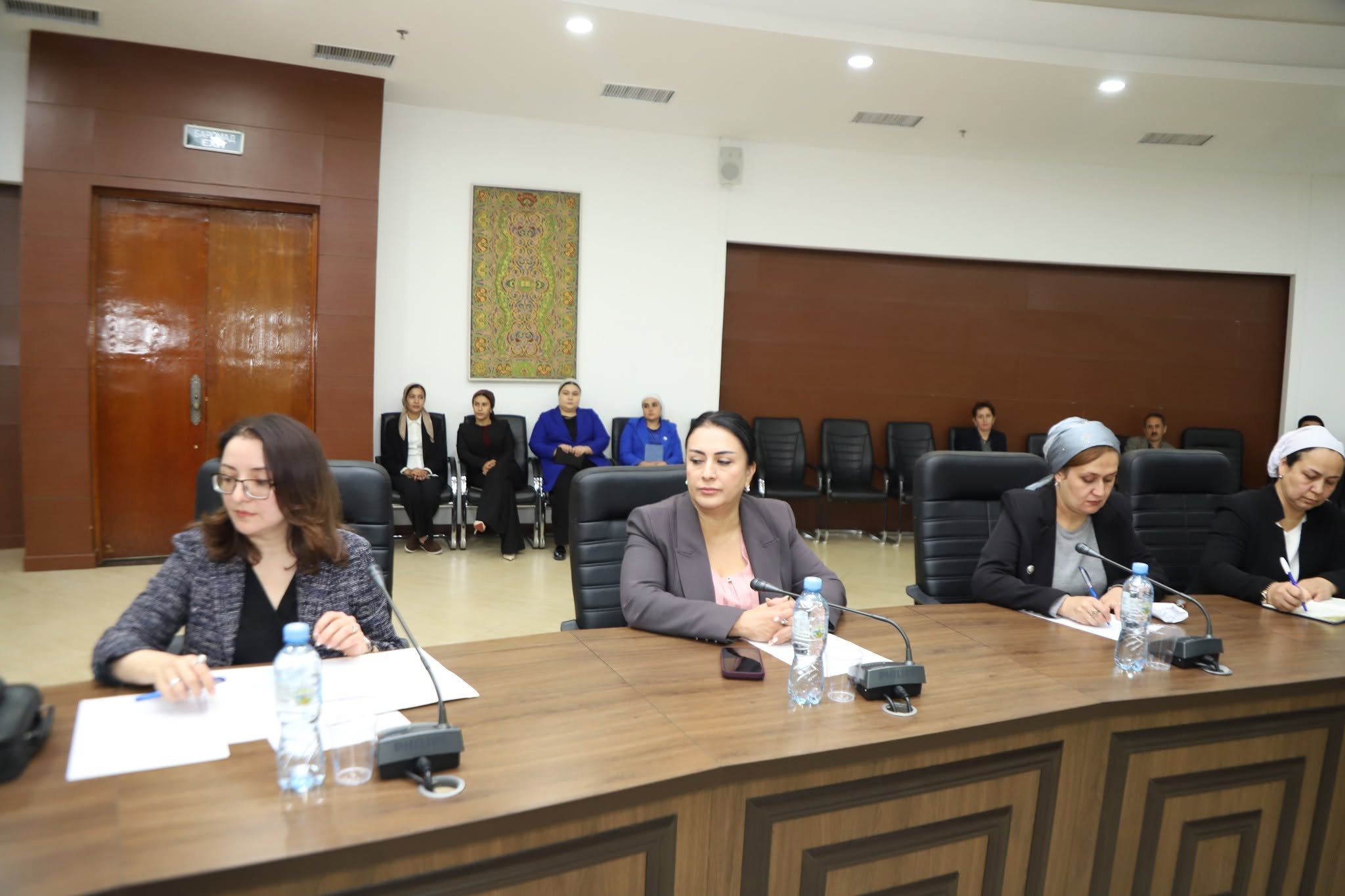
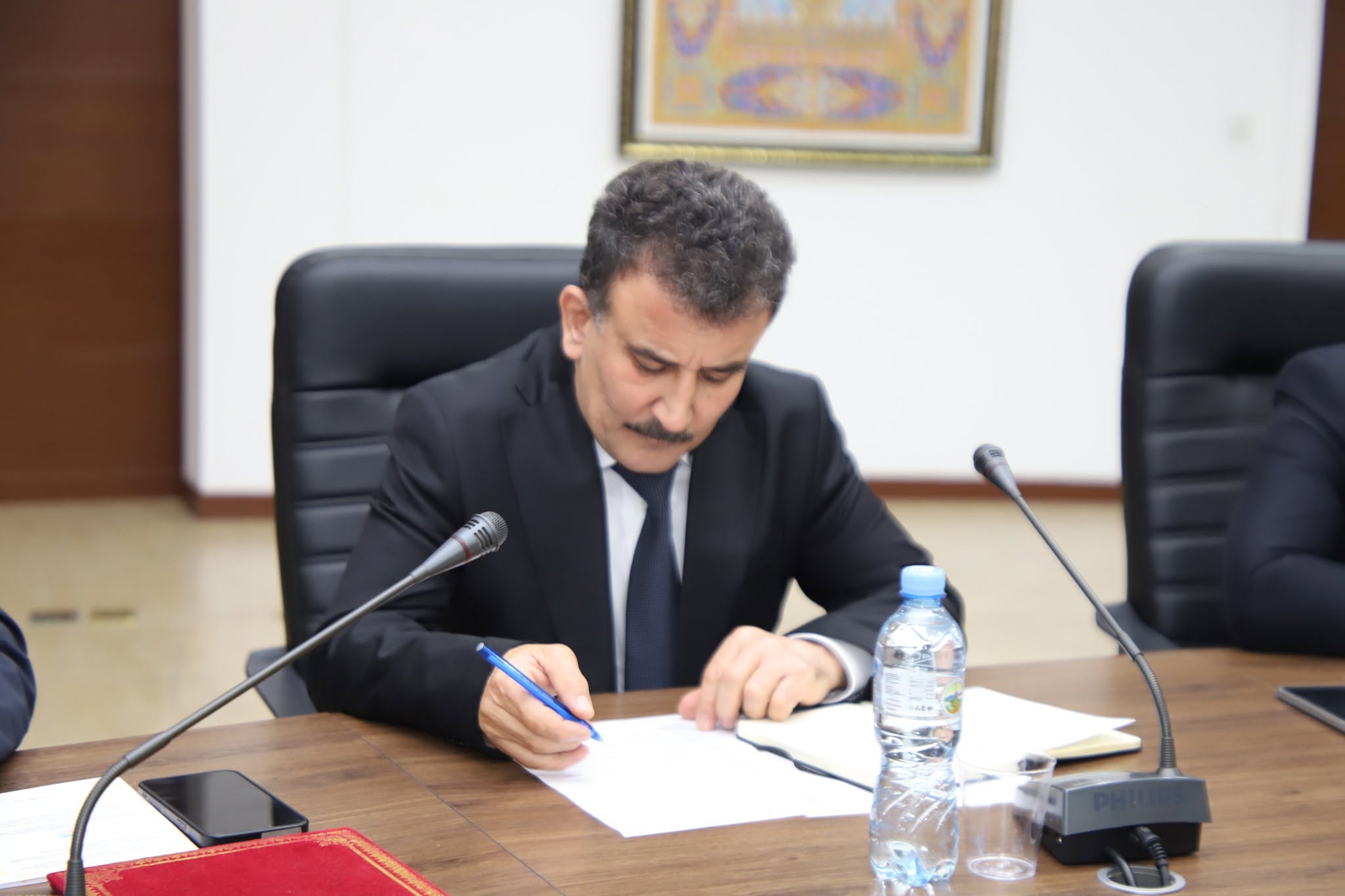
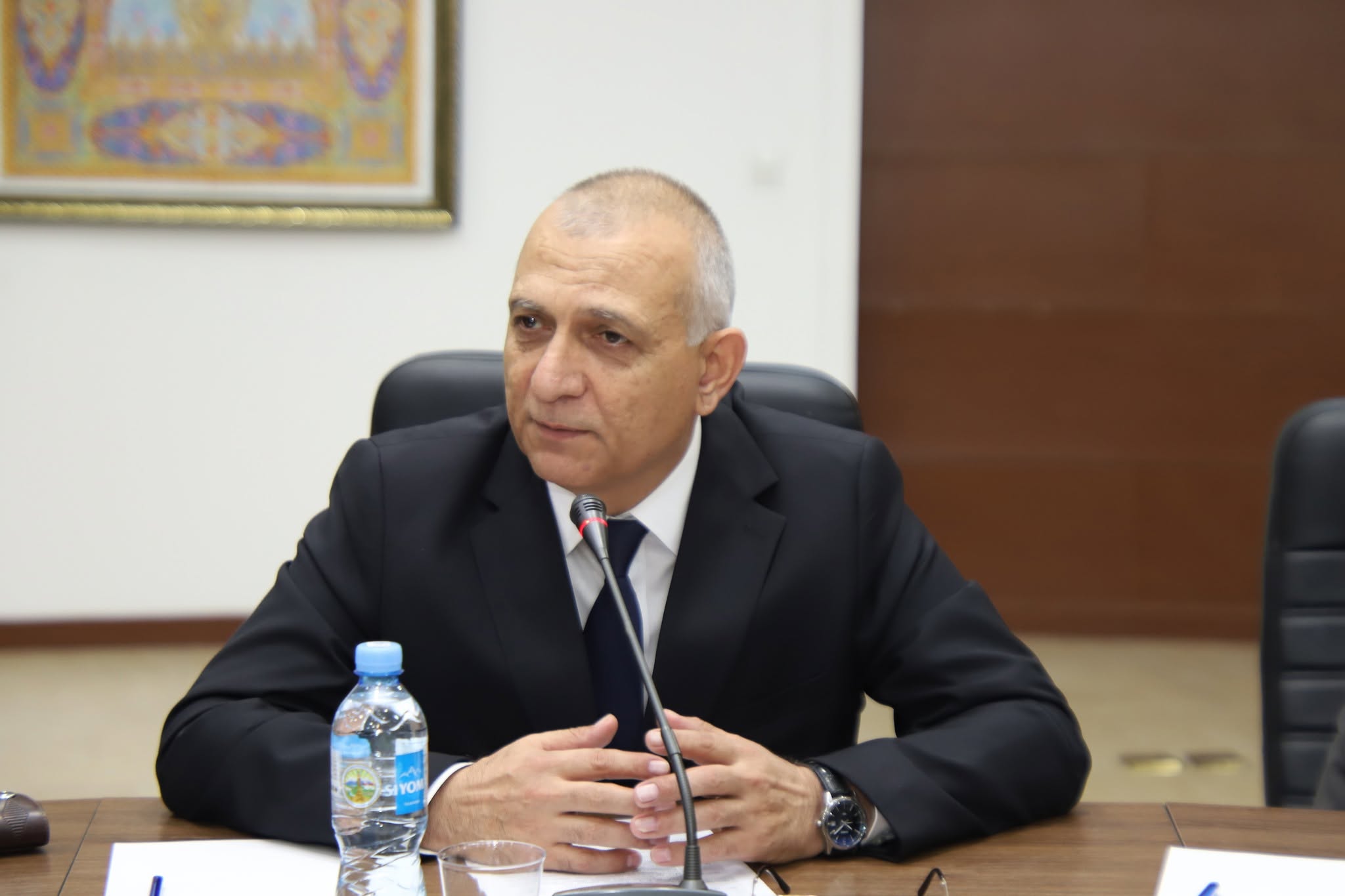
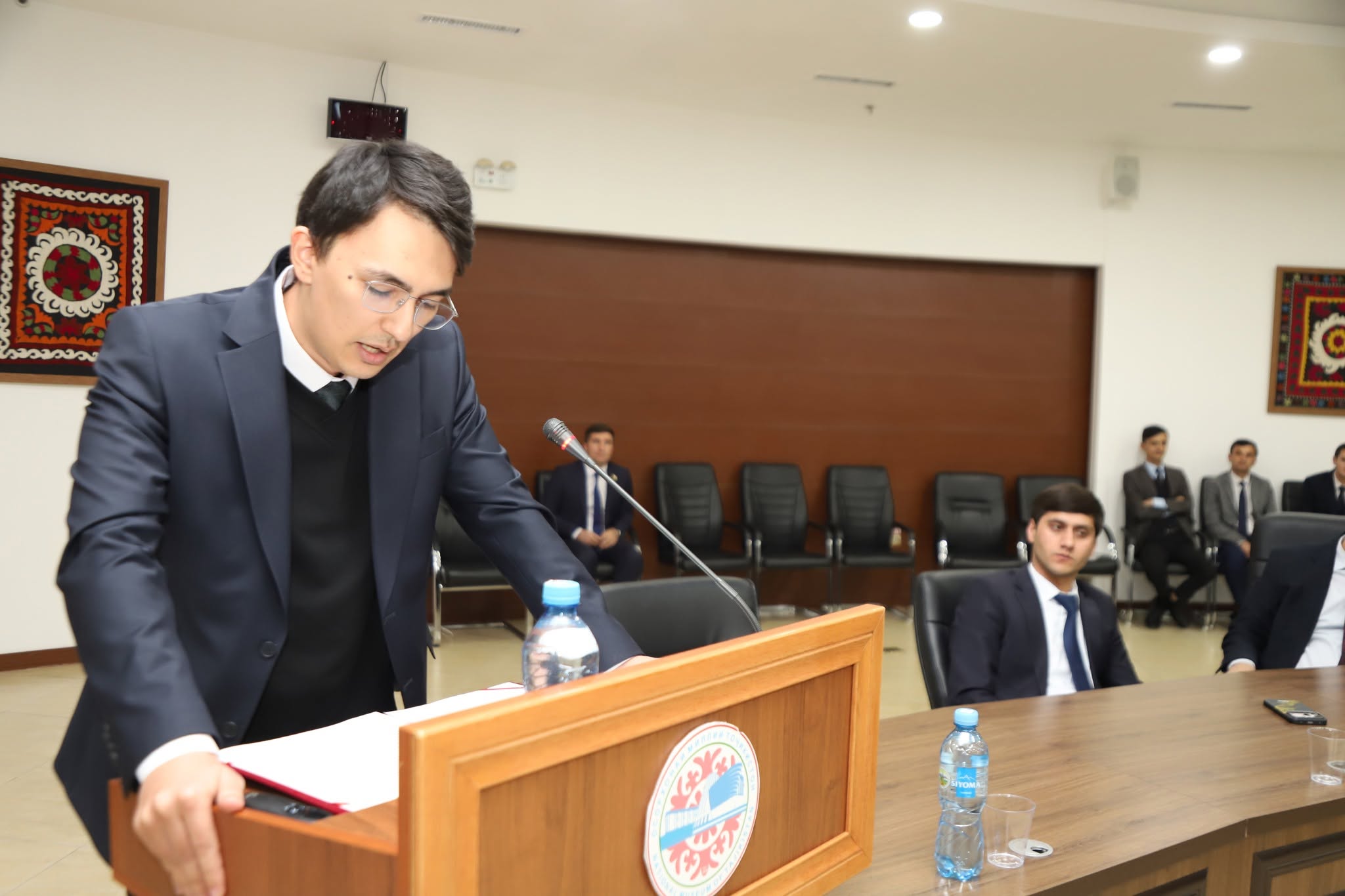
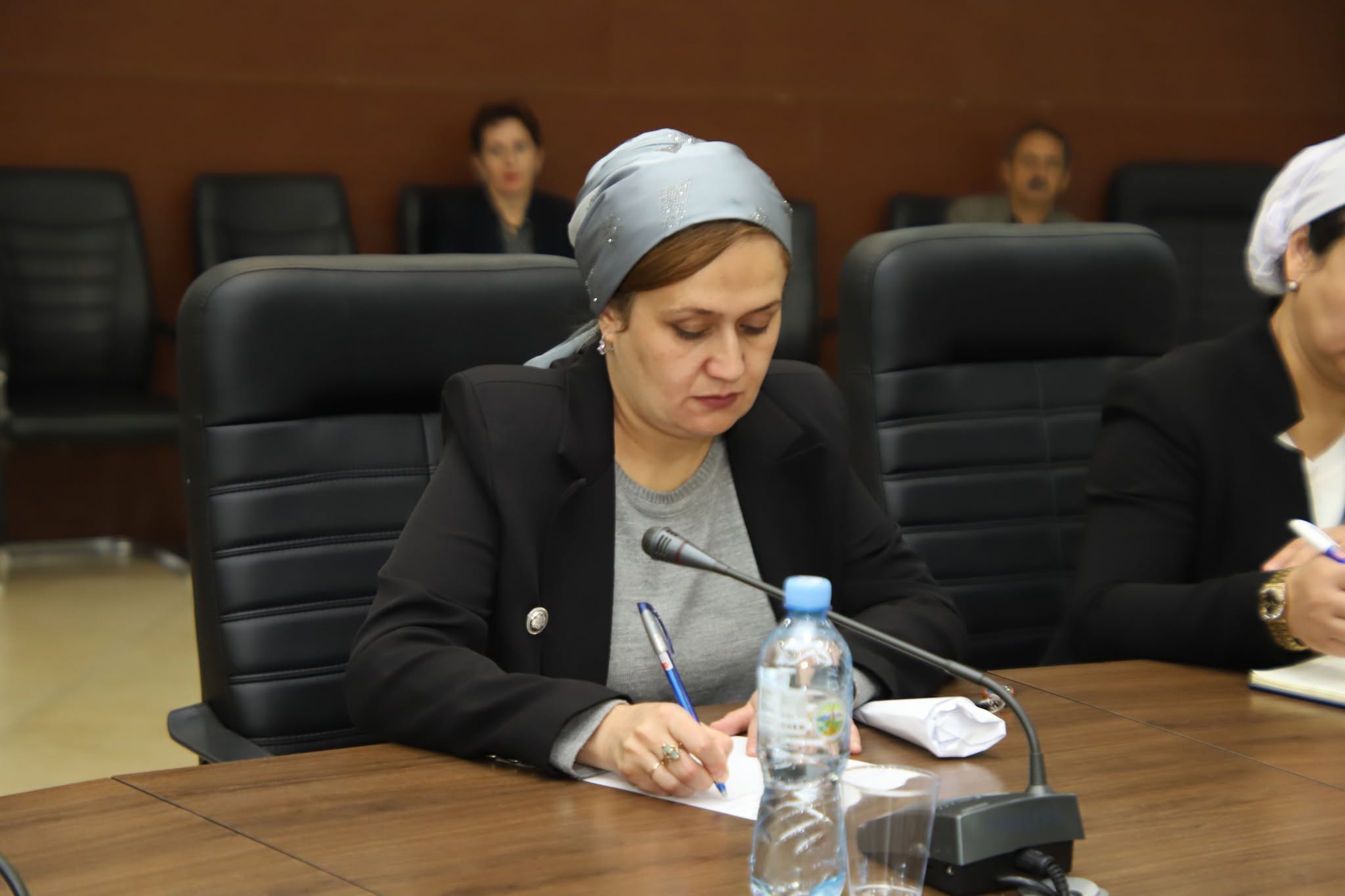
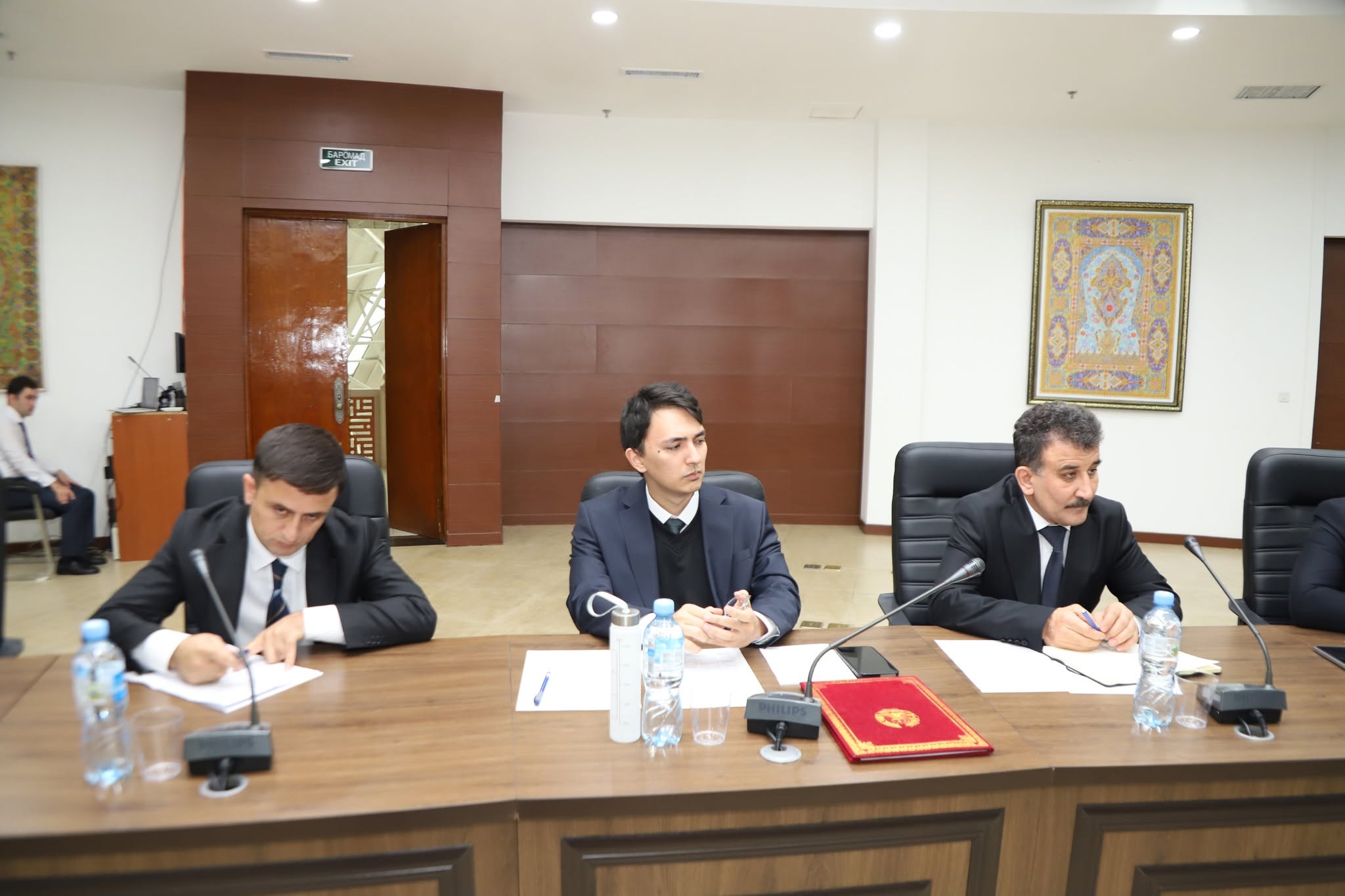
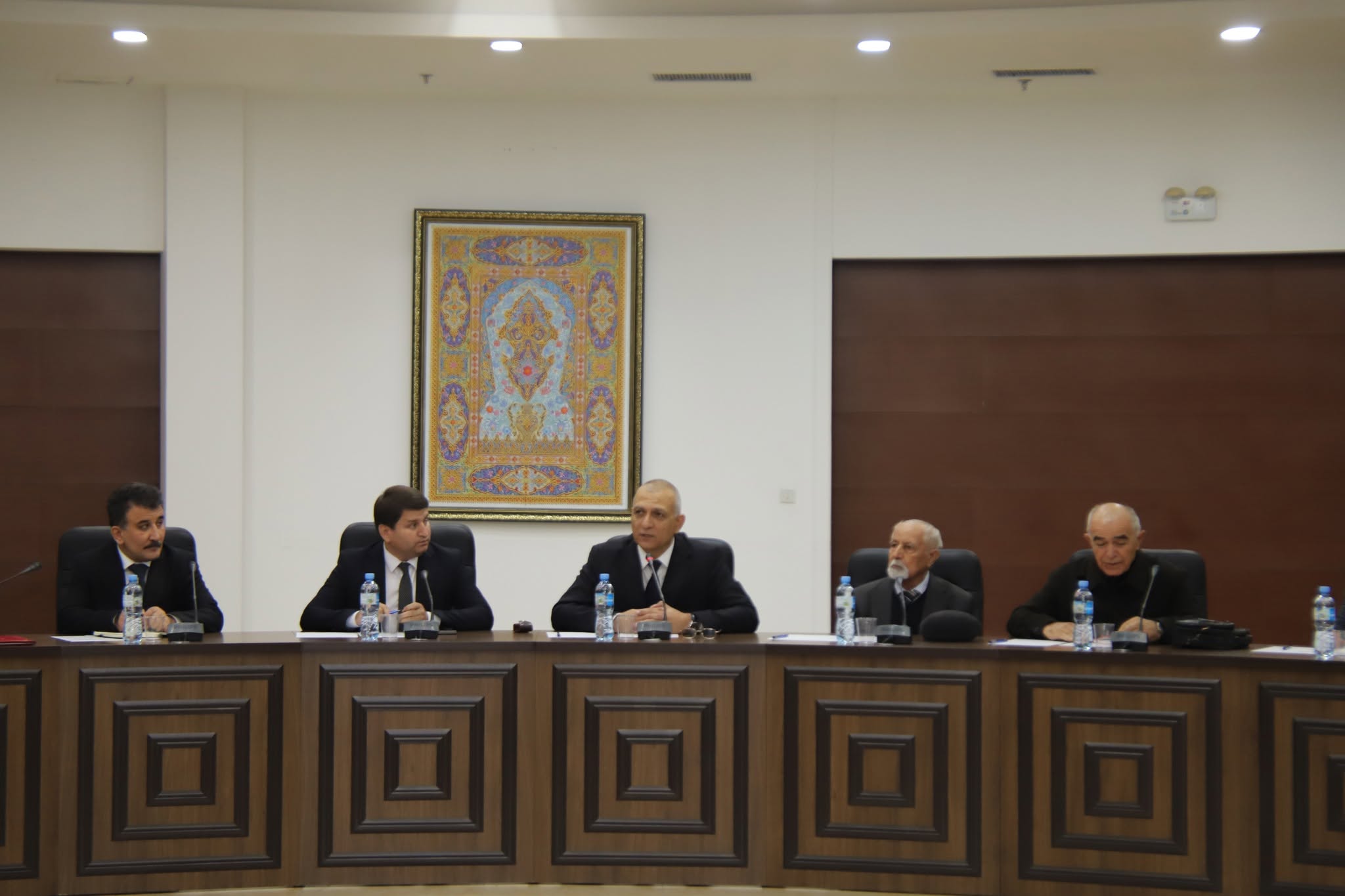
The conference commenced with opening remarks by Zafarsho Ibrohimzoda Safo, Director of the National Museum of Tajikistan. In his address, Yusufshoh Yakubov, Academician of the National Academy of Sciences of Tajikistan, emphasized the significant role of the Kushan Empire in the political, economic, and cultural development of the region. Scholars, researchers, and specialists from the National Museum of Tajikistan, the Tajik National University, and the Russian-Tajik (Slavonic) University presented scholarly papers addressing various aspects of Kushan history and culture, the findings of archaeological investigations, and the importance of Tajikistan’s historical monuments for understanding this significant period.
In particular, Rahmonali Sharifzoda, Doctor of Historical Sciences and Professor at the Tajik National University, delivered a paper entitled “The Surkh Kotal Inscription.” Zarina Umarova, Candidate of Historical Sciences, Associate Professor, and Head of the Department of Cultural Studies at the Russian-Tajik (Slavonic) University, presented a paper entitled “The Reflection of the Synthesis of Cultural Traditions in the Jewelry Art of the Kushan Period.”
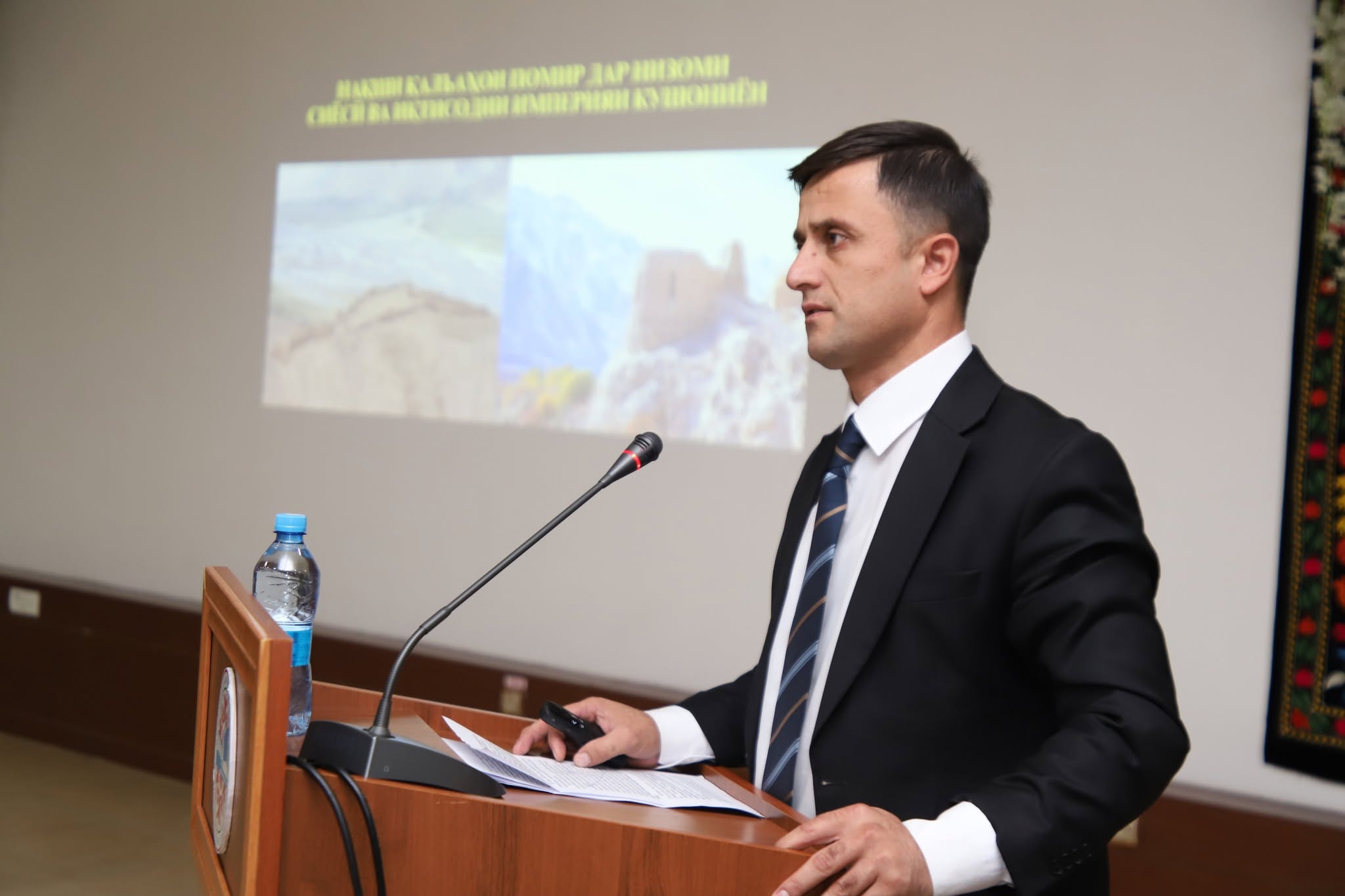
Furthermore, Mirali Karimdodзода, Head of the Department of Archaeology and Numismatics at the National Museum, delivered a presentation entitled “The Role of the Department of Archaeology and Numismatics of the National Museum in the Study of Kushan Monuments in Tajikistan.” Firuz Shoinbekov, Candidate of Historical Sciences, presented a study entitled “The Role of Pamir Fortresses in the Political and Economic System of the Kushan Empire.”
Farrukh Safoev, Senior Specialist of the Department of Archaeology and Numismatics at the National Museum, delivered a paper entitled “An Examination of Kushan-Period Burial Practices Based on Archaeological Materials from the Khalkajar Historical Site.” Sherzod Asrori, Senior Specialist of the same department, presented a study entitled “Archaeogenetic Research on the Population of the Kushan Period: The Ksirov Burial Ground.”
During the conference, participants examined a wide range of issues, including the study of historical inscriptions, the characteristics of material culture, the development of craftsmanship, burial practices, political and economic structures, and the cultural interactions of the Kushan Empire with neighboring civilizations. Particular emphasis was placed on the significance of archaeological findings in identifying the distinctive features of the region’s historical and cultural development.
The primary objective of the conference was to investigate and discuss key issues concerning the history and culture of the Kushan Empire through archaeological evidence and historical monuments discovered in Tajikistan, as well as to assess the role of this state in the formation of the Tajik people and the development of Central Asian civilization.
The Kushan Empire was one of the most significant political entities in the history of Central Asia. The territories of present-day Tajikistan were among the regions associated with the early development of Kushan statehood, while the surviving archaeological monuments provide valuable evidence of its historical and cultural heritage.
In antiquity, the Kushan Empire made substantial contributions to the political, economic, social, and cultural development of the region. From the first century BCE to the third century CE, it emerged as one of the major powers of the ancient world, alongside the Parthian Empire, the Roman Empire, and China’s Han dynasty.
In this context, particular significance is attached to the views expressed by the President of the Republic of Tajikistan, Leader of the Nation, His Excellency Emomali Rahmon, regarding the historical importance of the Kushan Empire. In his work The Tajiks in the Mirror of History, the Head of State characterizes the Kushan Empire as “a golden link in the chain of Aryan statehood,” highlighting its contribution to the consolidation of traditions of governance, the functioning of the Great Silk Road, and the advancement of human civilization in Central Asia.
This assessment reflects the distinctive position of the Kushan Empire in the history of the region and underscores the importance of studying, preserving, and promoting the historical and cultural heritage of this period in order to gain a deeper understanding of the political, economic, and cultural processes of the ancient world.
Archaeological monuments discovered throughout Tajikistan are of considerable importance for the study of the political, military, economic, and cultural history of the Kushan period, as well as for identifying the distinctive characteristics of craftsmanship and other forms of economic activity.
The conference, entitled “Studies on the History and Culture of the Kushan Empire Based on the Archaeological Monuments of Tajikistan,” provided a valuable platform for the exchange of scholarly knowledge, the presentation of new research findings, and the strengthening of cooperation among scientific and cultural institutions. The event also contributed to ongoing efforts aimed at the study, preservation, and promotion of Tajikistan’s rich historical and cultural heritage.