Opening of the Exhibition “Achievements of Archaeology of the National Museum during the Period of Independence”
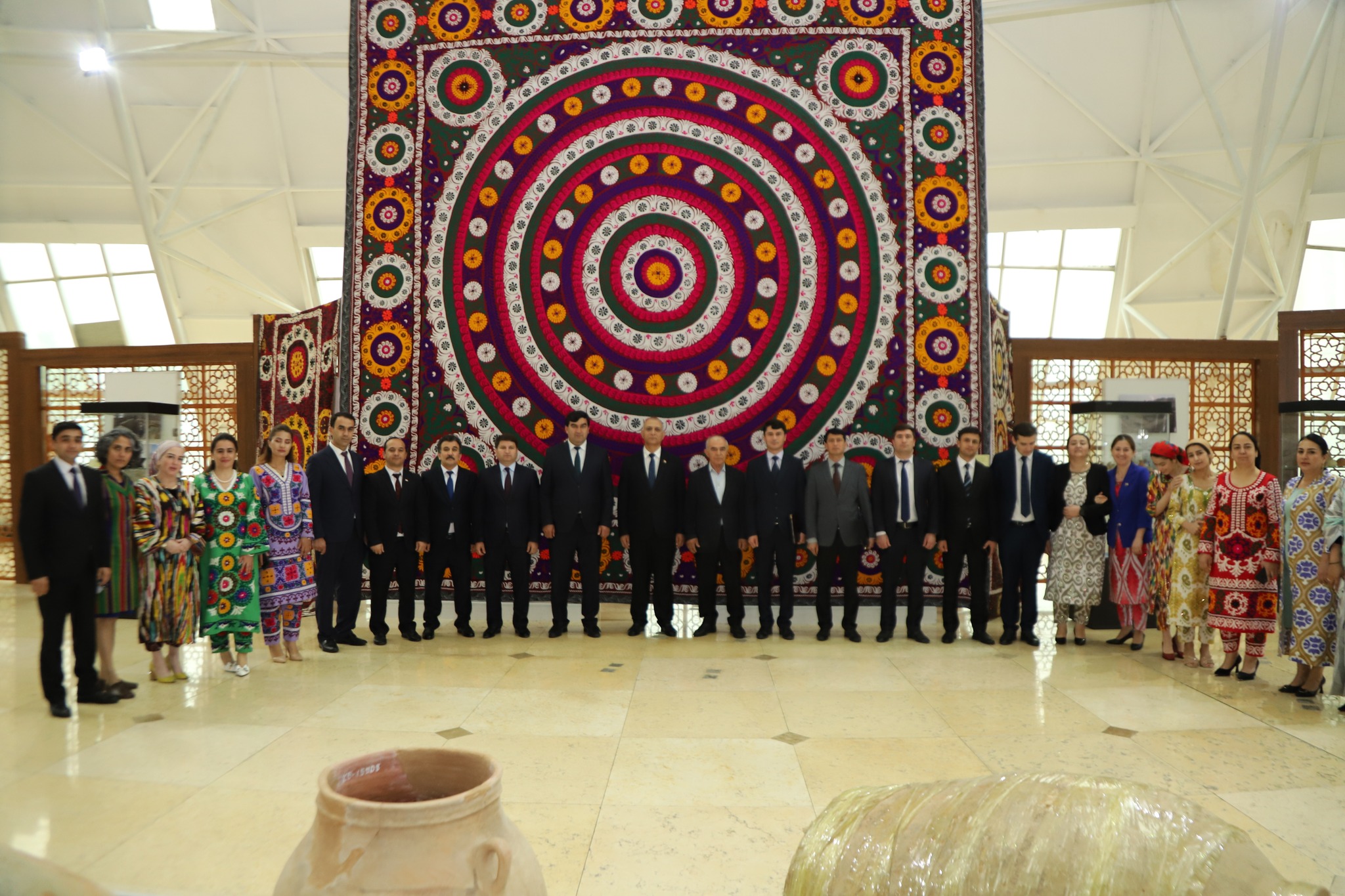
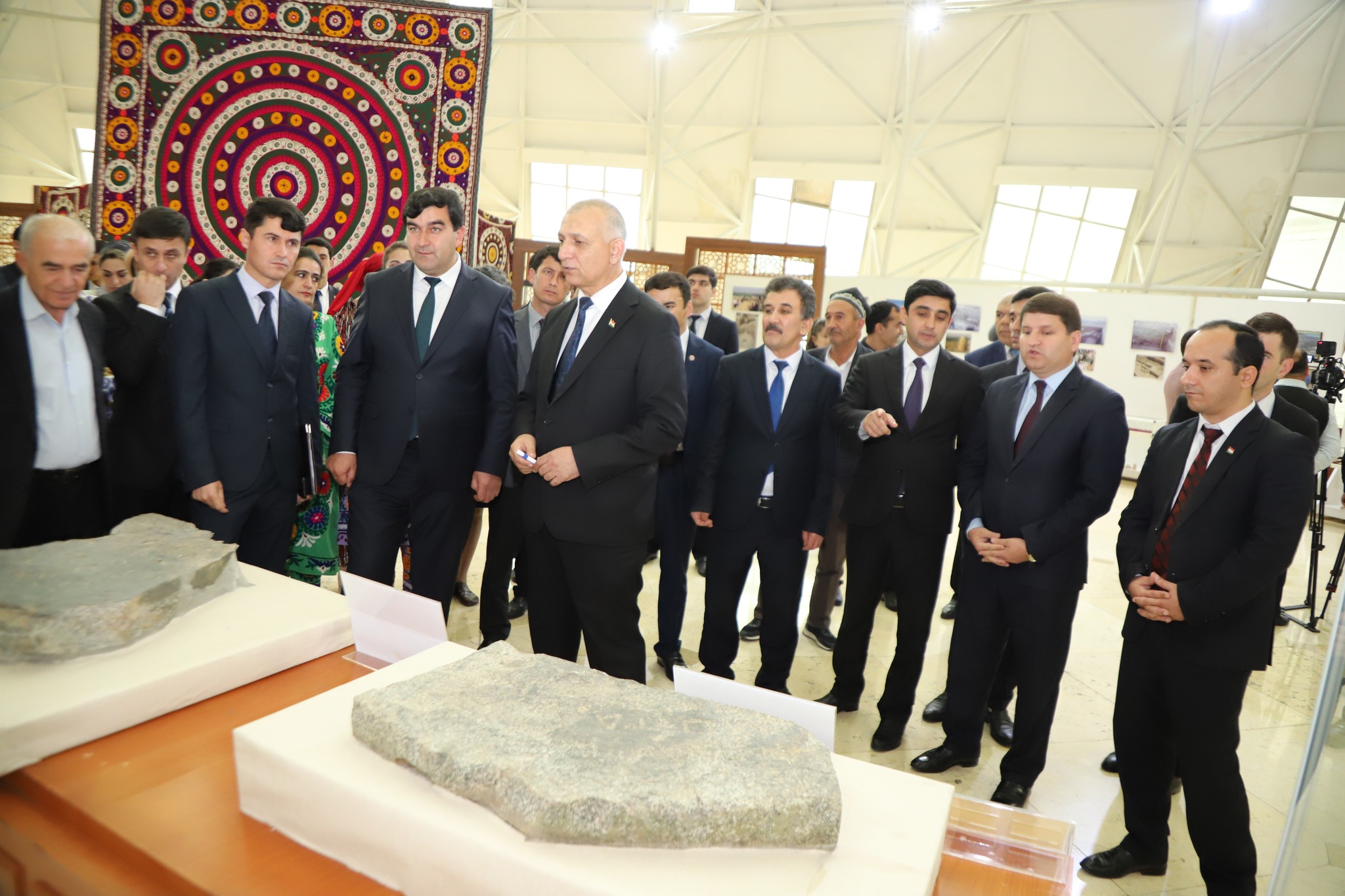
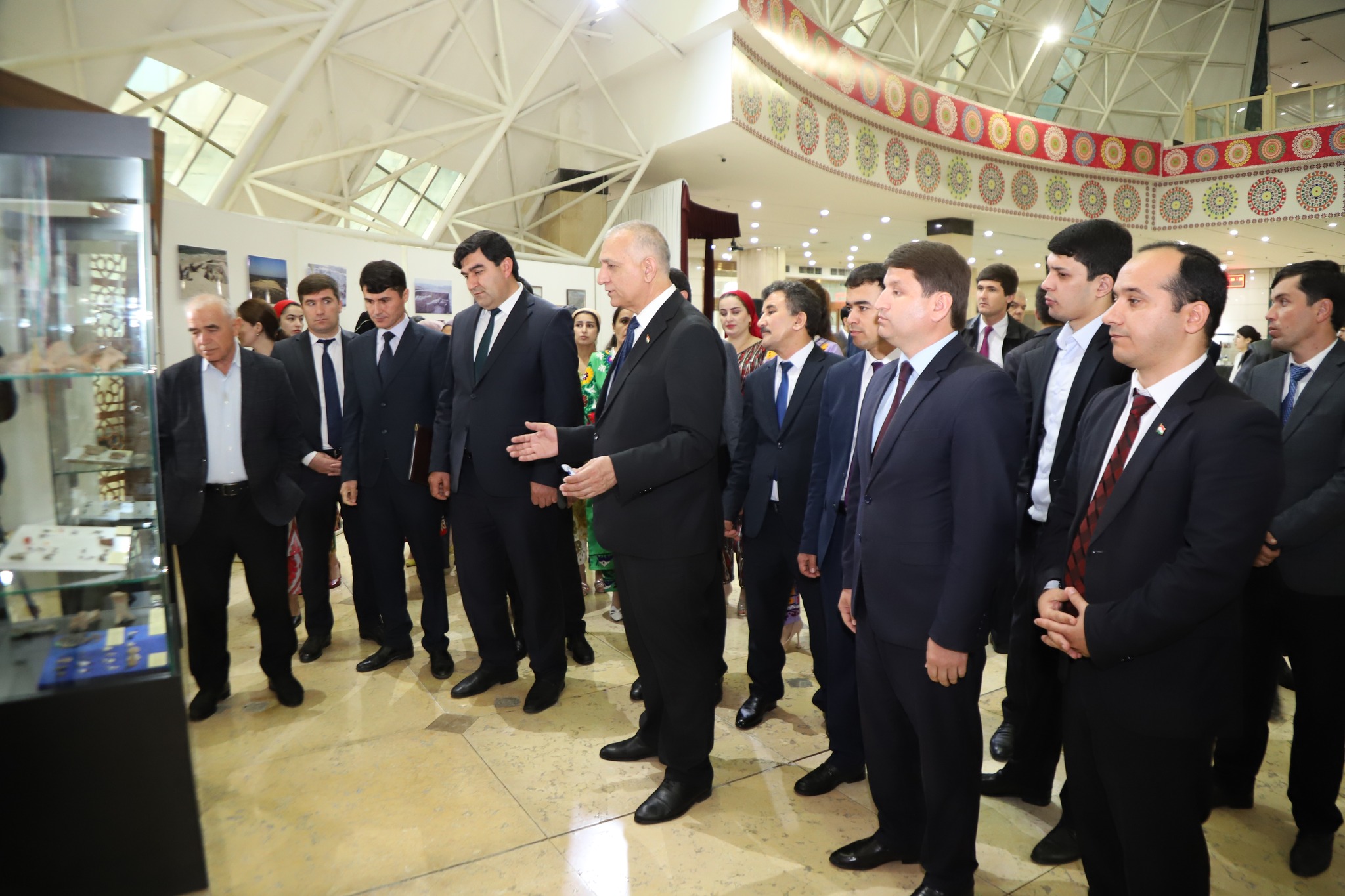
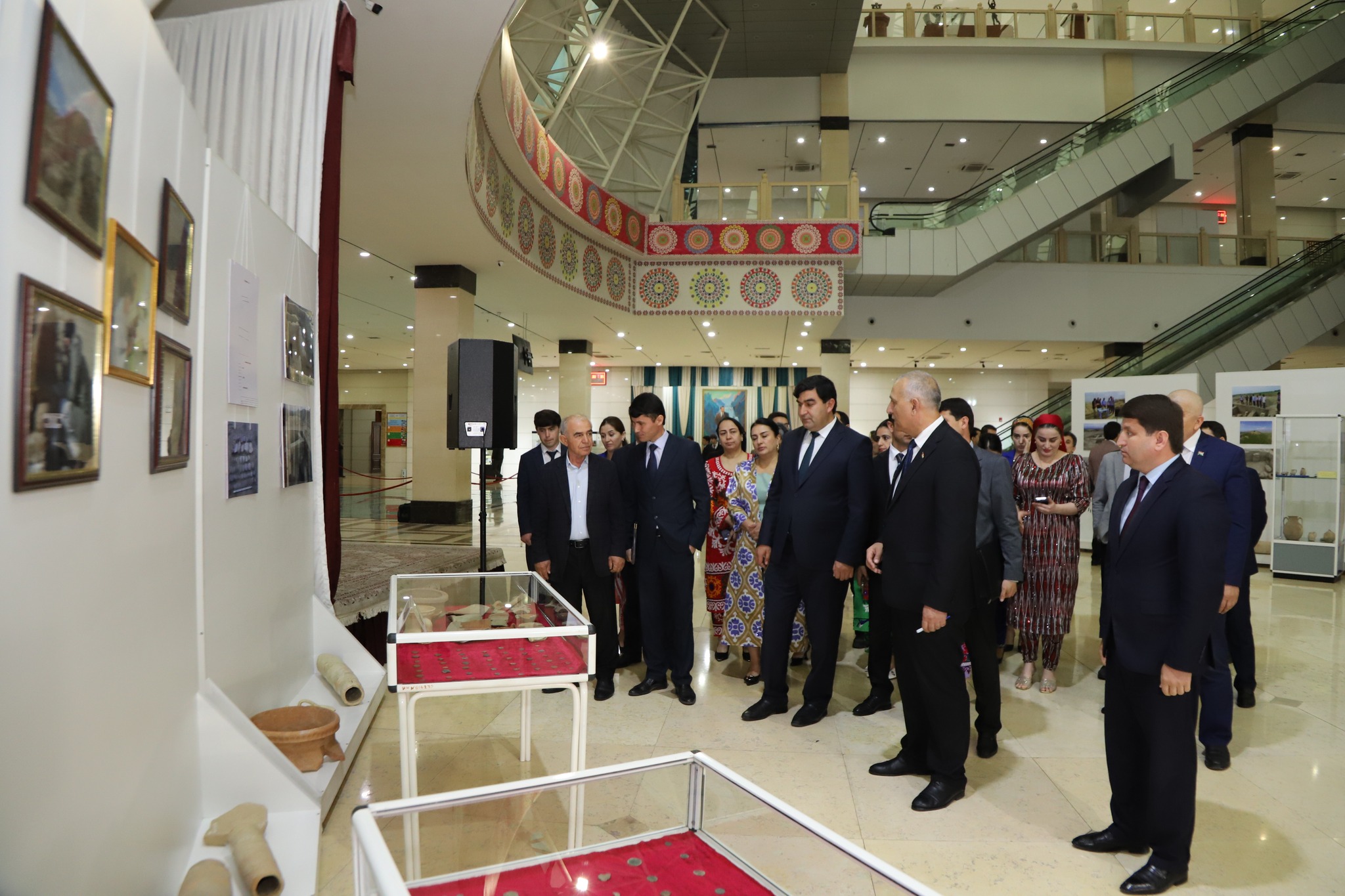
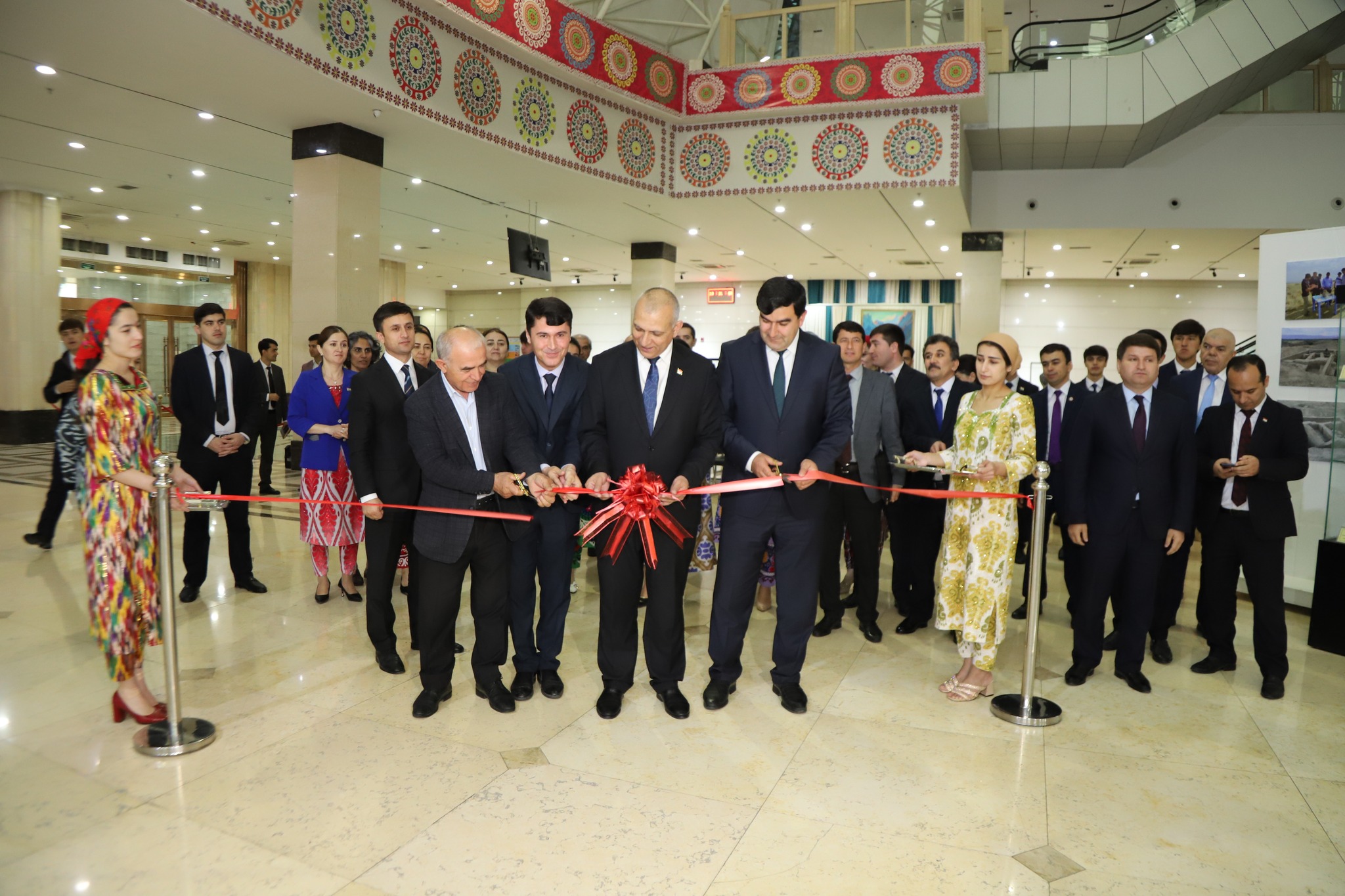
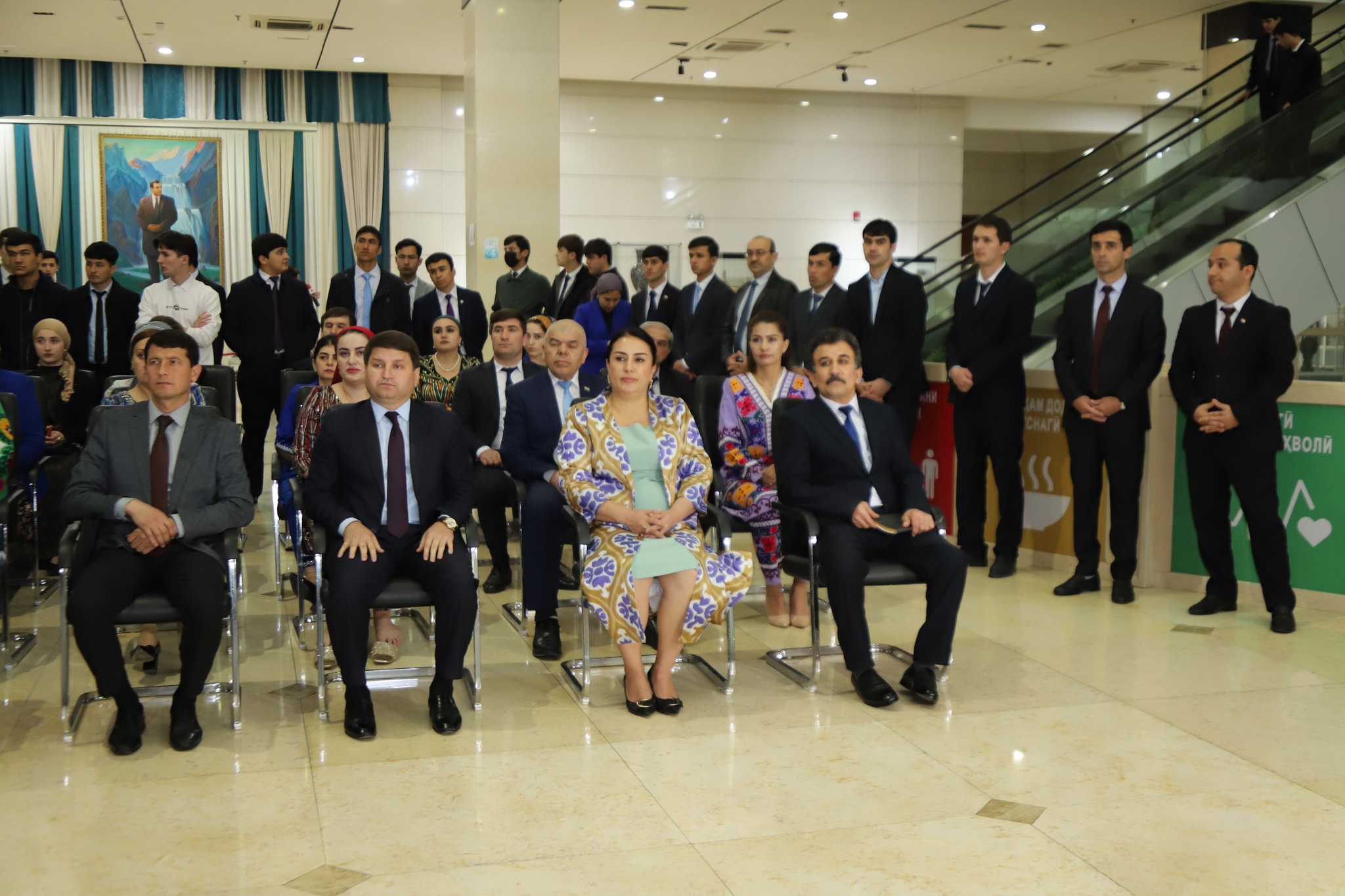
On April 16, 2026, the State Institution “National Museum” of the Executive Office of the President of the Republic of Tajikistan hosted the opening of a jubilee exhibition entitled “Achievements of Archaeology of the National Museum during the Period of Independence,” dedicated to the 35th anniversary of the State Independence of the Republic of Tajikistan and the International Day for Monuments and Sites.
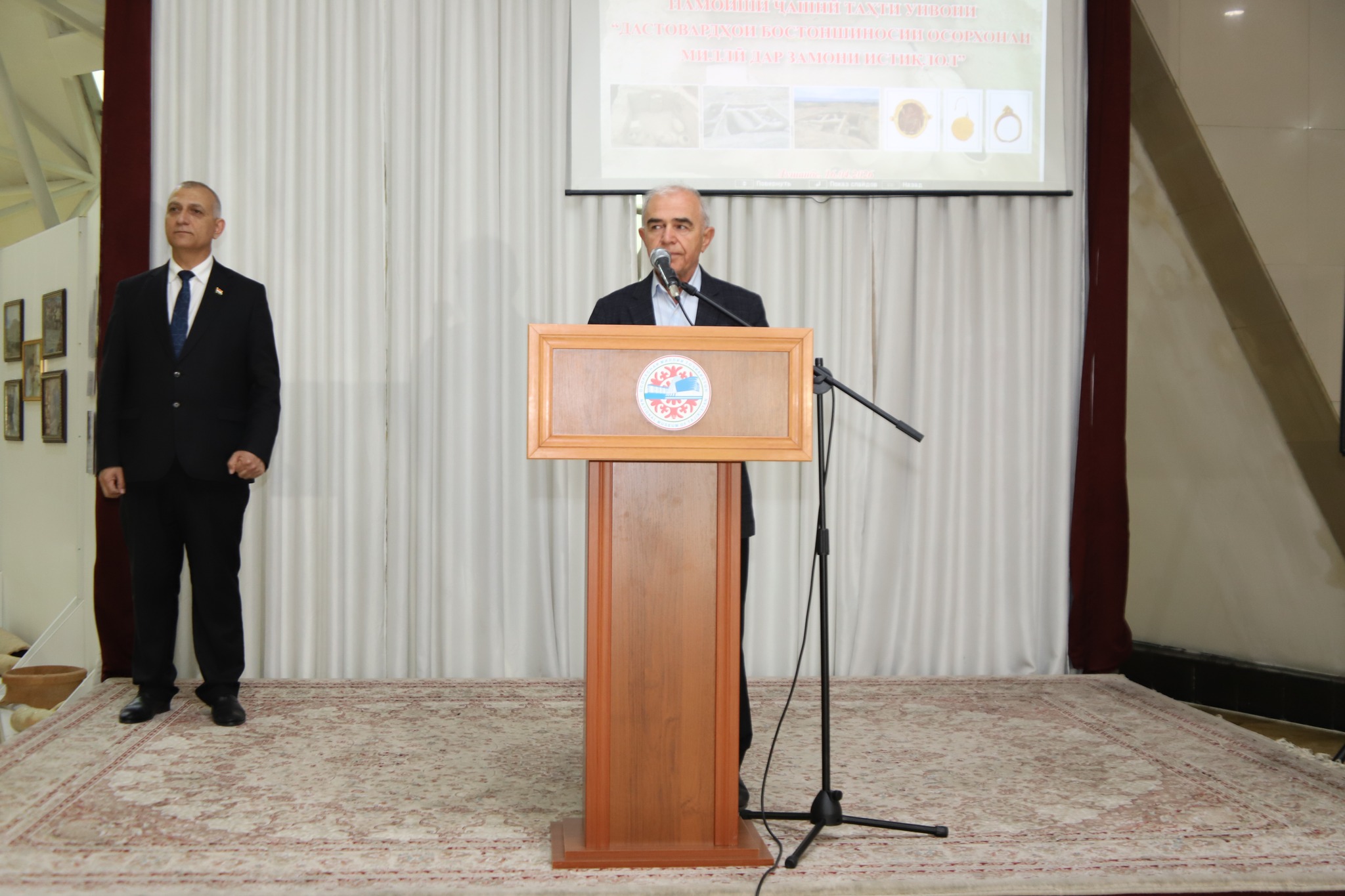
The event was attended by and featured speeches from the Director of the National Museum, Ibrohimzoda Zafarsho Safo; Doctor of Historical Sciences and Professor of the Department of Ancient, Medieval, and Archaeological History at the Tajik National University, Rahmonali Sharipov; Deputy Director of the Agency for the Protection of Historical and Cultural Heritage under the Government of the Republic of Tajikistan, Ahliddin Saidnuridinzoda; and the Director of the National Museum of Antiquities of Tajikistan, Abdurahmon Pulotov.
The exhibition presents more than 800 significant and unique archaeological finds discovered by the staff of the National Museum during excavations conducted between 2014 and 2025. The exhibits originate from sites such as Garavkala, Sayyod, Khalkajar, Chimkurgon, Takhti Shohi, Almosi, and other historical monuments across the country, and belong to various historical periods. Among the most valuable items, possessing scientific and historical significance of global importance, are a “water vessel with a Bactrian inscription,” “stone inscriptions from Almosi (in the ancient Bactrian language and script),” a “gold pendant depicting a centaur,” a “gold ring,” a “stamped four-handled vessel,” a “gold plate,” and “gold earrings.”
Archaeology, as one of the most important modern disciplines for the study of the history and culture of any people, examines the development of human society on the basis of material cultural remains. Accordingly, special attention is paid to the development of this field in contemporary conditions. As noted by the Founder of Peace and National Unity — Leader of the Nation, Emomali Rahmon, in his most recent Address to the Majlisi Oli: “The awakening of historical memory plays an exceptionally important role in strengthening the national consciousness of citizens, especially the youth, who represent the future of the nation and the state. Historical and cultural heritage serves as a kind of passport of the ancient Tajik nation, more than 70 percent of which consists of archaeological monuments.”
Guided by the far-sighted policy of the Leader of the Nation, Emomali Rahmon, in the study of ancestral history and the strengthening of national identity, the National Museum has been conducting independent archaeological excavations at various historical sites across the country since 2014. To date, the institution’s archaeologists have carried out investigations at more than ten sites.
Over the past 12 years, the sites of Garavkala, Sayyod, Khalkajar, Chimkurgon, Takhti Shohi, Kuhnachinor, Almosi, Sari Main, Moinkaj, Teppa-i Goziyon, and Sarazm-2 have been fully or partially studied. The exhibition showcases the most significant findings from these sites. The artifacts, made of gold, silver, copper, bronze, stone, ceramics, and bone, testify to the rich cultural heritage and the high level of craftsmanship of our ancestors.
The exhibition “Achievements of Archaeology of the National Museum during the Period of Independence” will run until April 30, 2026.